G1 Knowledge Test 2026: Every Topic Ontario Tests, With Free Practice
The 19 topics of the Ontario G1 knowledge test, mapped to the official handbook, ranked by how often learners miss them, each with its free practice test
Start the Knowledge Test PracticeHelp Others — Share This Page
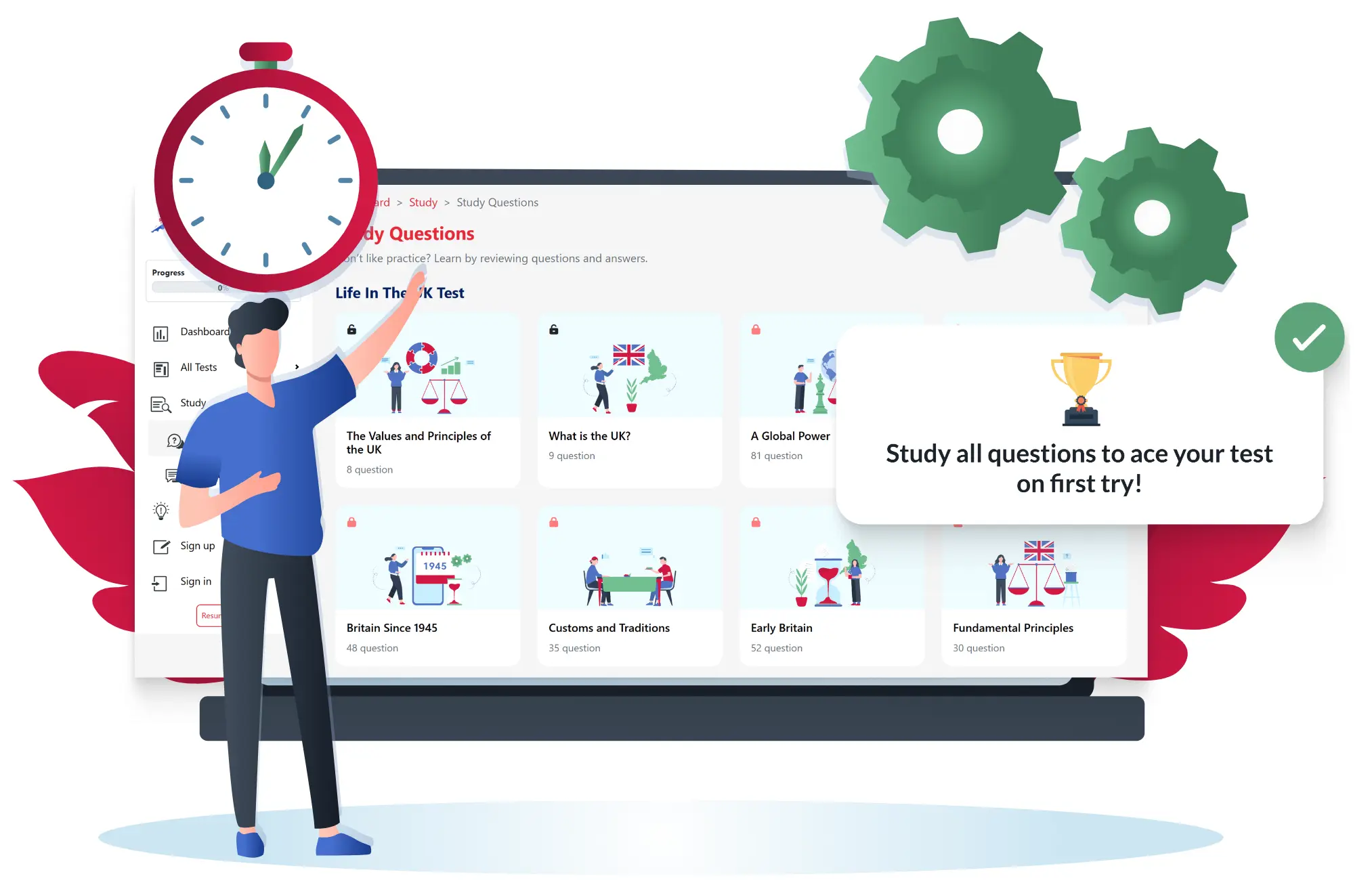
What the G1 knowledge test is
The written test that earns your G1. Here is what the province and DriveTest say about it, and what you are actually tested on.

The test. A multiple-choice test on the rules of the road and traffic signs, written to the Official MTO Driver’s Handbook. You take it in person at a DriveTest centre, no appointment needed, after a vision test, with original ID showing your legal name and date of birth. Pass both and you get your G1 the same day.
The numbers. DriveTest says a knowledge test typically takes 20 to 30 minutes, you need at least 80% to pass, and a pass is valid for one year. The G1 package is $159.75 and covers the knowledge test, the G2 road test and a five-year licence; each further knowledge-test attempt is $16.
The official sample. The province publishes eight sample questions in the handbook’s “Test yourself” chapter, in the same multiple-choice format as the real test. Read them on ontario.ca. Then come back: the 683 questions on this site cover every chapter the test draws from, and the table below shows which chapters trip learners up.
The 19 topics of the G1 knowledge test, ranked by how often learners miss them
Every topic on this site is a chapter of the Official MTO Driver’s Handbook, the book the real test is written from. The miss rate is measured from 1,803,709 answers given to these questions on this site. Hardest first.
| Topic | Handbook chapter | Questions here | Answers missed | Practise it |
|---|---|---|---|---|
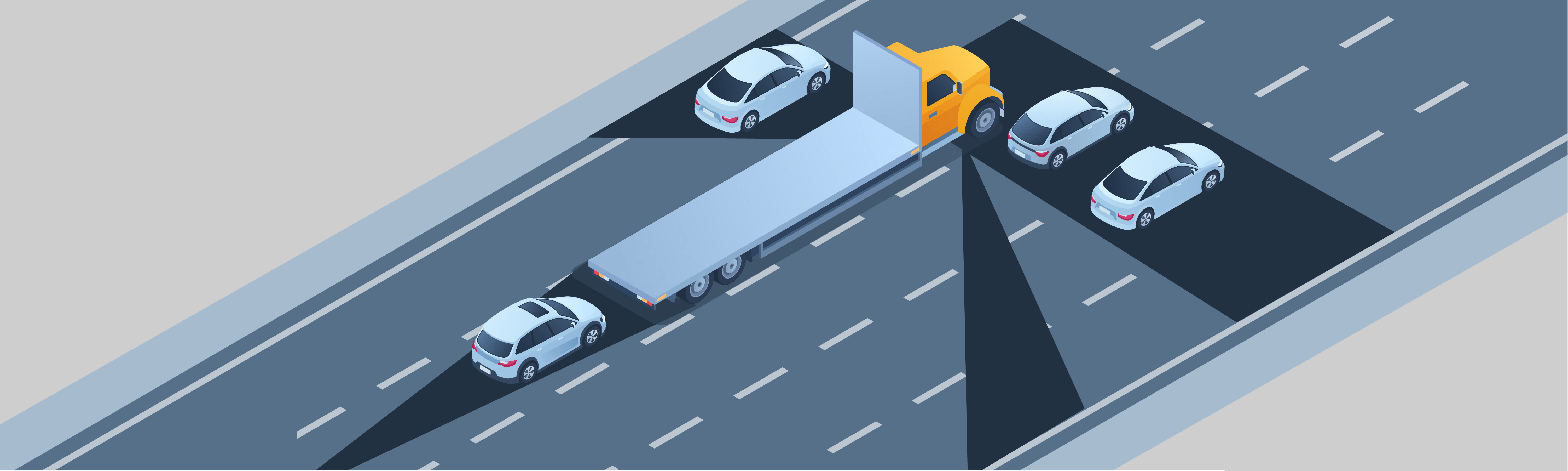
| 1. Towing | Your Vehicle: Towing | 15 | 20.3% | Free towing test |
| 2. Licence suspensions | Keeping Your Licence: Other ways to lose your licence | 35 | 18.2% | Free licence suspensions test |
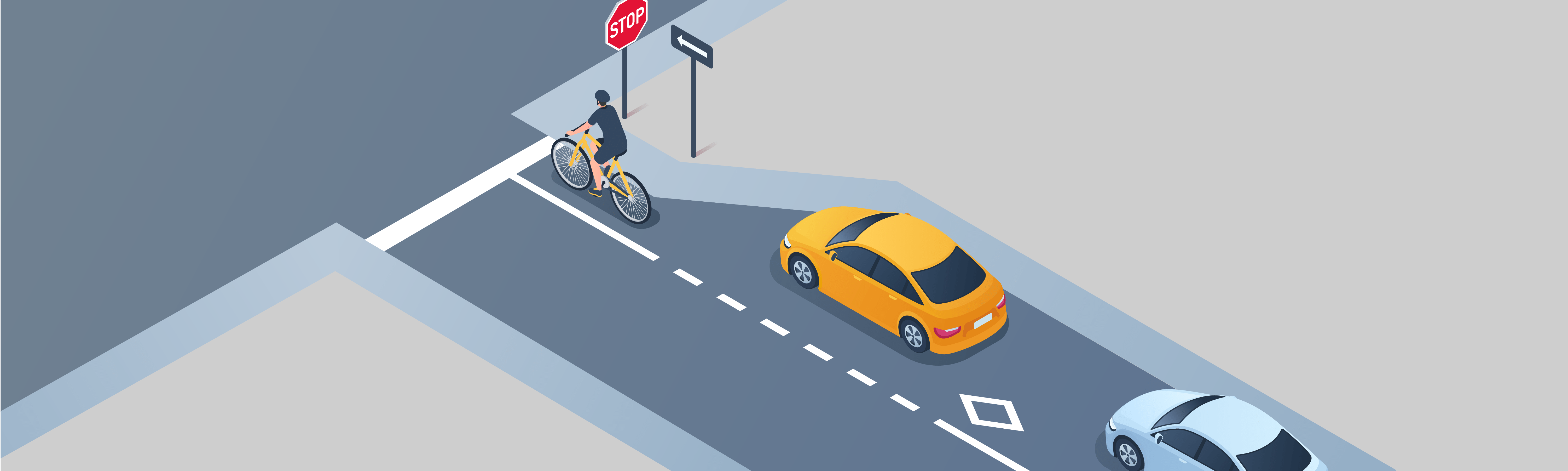
| 3. Sharing the road | Sharing the road with other road users | 41 | 14.9% | Free sharing the road test |
| 4. Parking | Parking along roadways | 37 | 14.5% | Free parking test |
| 5. Dealing with emergencies | Dealing with emergencies | 28 | 13.6% | Free dealing with emergencies test |
| 6. Driver’s licence and demerits | Keeping Your Driver’s Licence | 45 | 13.6% | Free driver’s licence and demerits test |
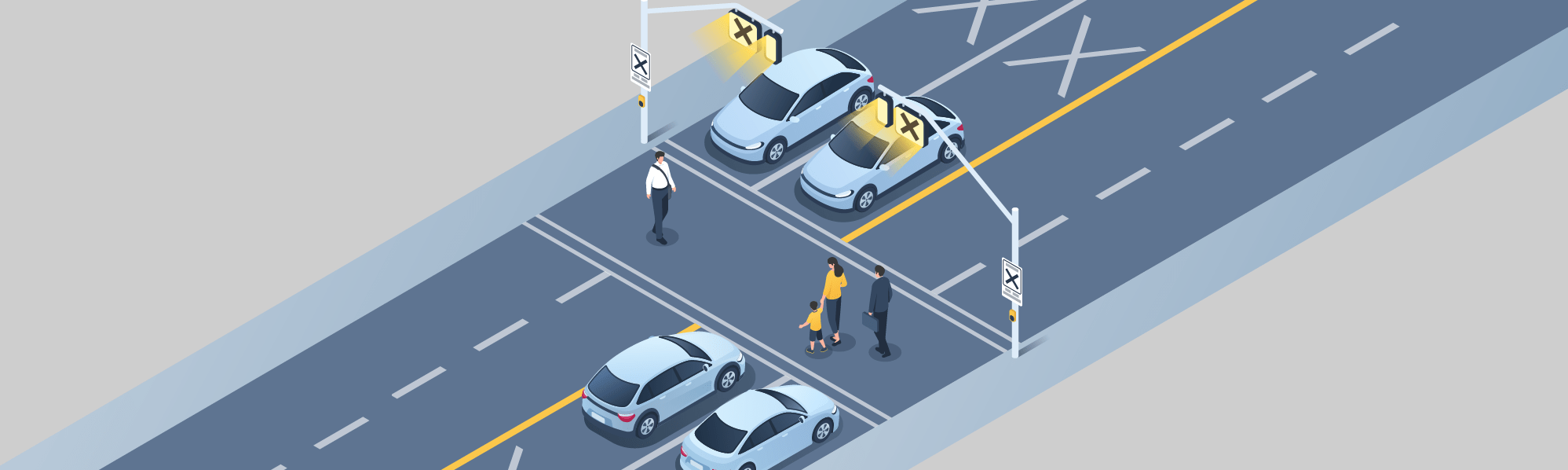
| 7. Traffic lights and pavement markings | Traffic lights, pedestrian signals, pavement markings | 32 | 13.5% | Free traffic lights and pavement markings test |
| 8. Driving at night and in bad weather | Driving at night and in bad weather | 42 | 13.2% | Free driving at night and in bad weather test |
| 9. Stopping | Stopping | 25 | 13.1% | Free stopping test |
| 10. Getting ready to drive | Getting ready to drive | 43 | 12.6% | Free getting ready to drive test |
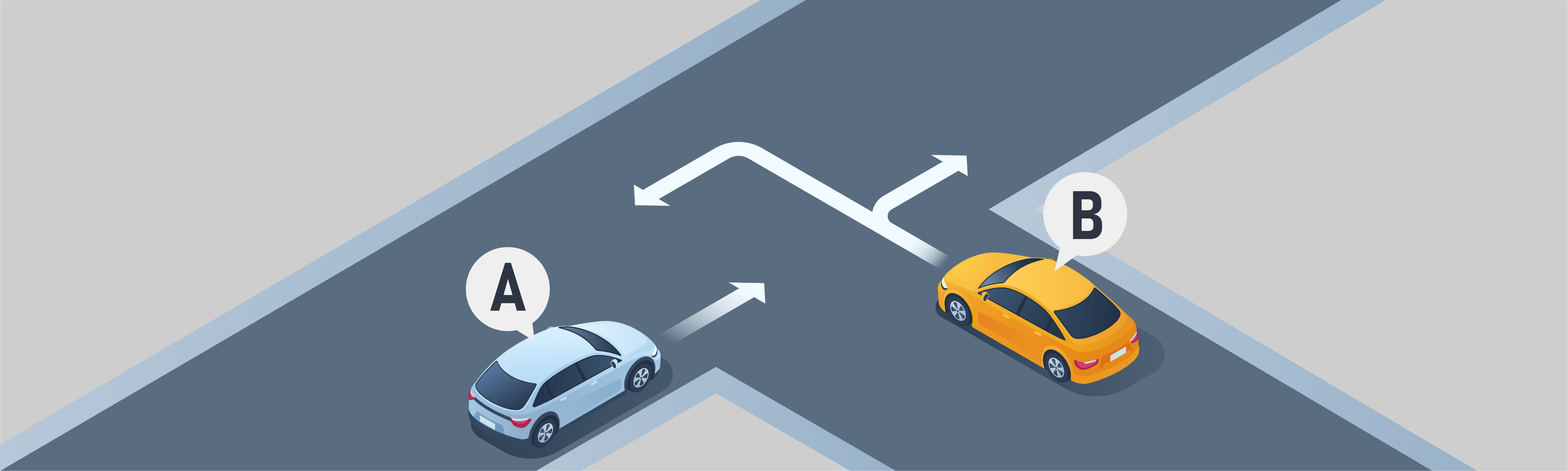
| 11. Intersections | Driving through intersections | 33 | 11.3% | Free intersections test |
| 12. Freeway driving | Freeway driving | 25 | 11.3% | Free freeway driving test |
| 13. Traffic signs | Traffic Signs and Lights: Signs | 130 | 10.2% | Free traffic signs test |
| 14. Changing directions | Changing directions | 40 | 10.2% | Free changing directions test |
| 15. Driving along | Driving along | 37 | 10.0% | Free driving along test |
| 16. Changing positions | Changing positions | 23 | 10.0% | Free changing positions test |
| 17. Dealing with particular situations | Dealing with particular situations | 35 | 8.3% | Free dealing with particular situations test |
| 18. Vehicle insurance and registration | Your Vehicle: Vehicle insurance and registration | 8 | 8.3% | Free vehicle insurance and registration test |
| 19. Maintaining your vehicle | Your Vehicle: Maintaining your vehicle | 9 | 6.2% | Free maintaining your vehicle test |
How it is measured: every answer to an Ontario G1 car question on this site, 1,803,709 of them, counted on 2 November 2026. A topic’s rate is the share of its answers that were wrong. Chapter names are from the handbook’s own table of contents on ontario.ca, read the same day. 683 questions in all.
How to study the syllabus in order
The table tells you where the marks are lost. Study in that order, not the handbook’s order.
1. The five hardest first
Towing, licence suspensions, sharing the road, parking and emergencies: between 1 in 7 and 1 in 5 answers wrong. They are short topics; a good hour clears them. Towing, suspensions, sharing the road, parking, emergencies.
2. The big topics next
Traffic signs is the largest topic by far, 130 questions, and one of the two parts of the real test. Then lights and markings, getting ready to drive, and licence and demerits. Road signs test, lights and markings, all topics.
3. Confirm, then simulate
Run the remaining topics once each, clear your Challenge Bank, then sit the timed mock tests until you pass three in a row. Then book.
Everything else for the knowledge test
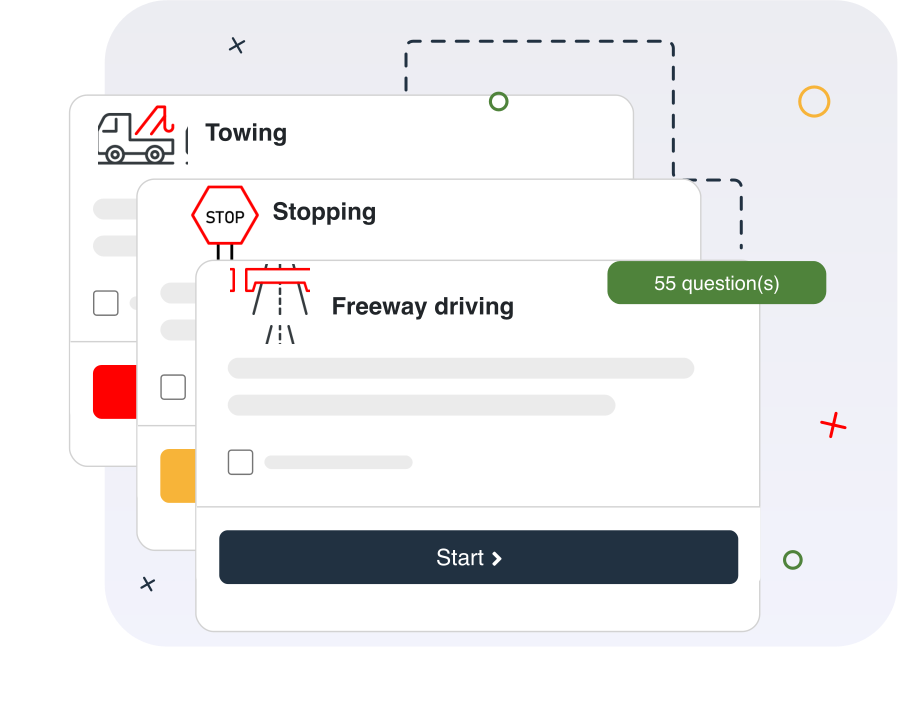




Start with the topic learners miss most
Towing: 15 questions, and one answer in five is wrong. Free, no signup, the explanation after every answer.
Take the Towing testG1 knowledge test: frequently asked questions
Straight answers, with the province’s pages and this site’s own measurements behind them.
The rules of the road and traffic signs, drawn from the Official MTO Driver’s Handbook. On this site that is 19 topics and 683 questions, each topic a chapter of the handbook: from getting ready to drive and intersections, through signs, lights and markings, to keeping your licence, towing and maintaining your vehicle. The table above lists all 19.
The test has two parts, traffic signs and the rules of the road, and DriveTest requires at least 80% to pass. Practice guides describe 40 questions, 20 per part; the province does not publish the count on the pages we can read. This site holds 683 questions across every topic the test draws from.
Measured on 1.8 million answers on this site: towing (20% of answers wrong), licence suspensions (18%), sharing the road (15%), parking (15%) and dealing with emergencies (14%). The easiest are maintaining your vehicle (6%) and vehicle insurance and registration (8%).
DriveTest says a knowledge test typically takes 20 to 30 minutes. No time limit is published on the pages we can read. The mock tests on this site run a 45-minute clock so that you are used to working under one.
No. It is taken in person at a DriveTest centre, without an appointment, or at the ServiceOntario Bay and College office in Toronto by appointment. Practice is online; the test is not.
In the handbook’s “Test yourself” chapter on ontario.ca: eight multiple-choice questions in the real format, with the answers at the bottom of the page. Every question on this site follows the same format.